
Period Property Painters in Marlow | Marlow Decorators
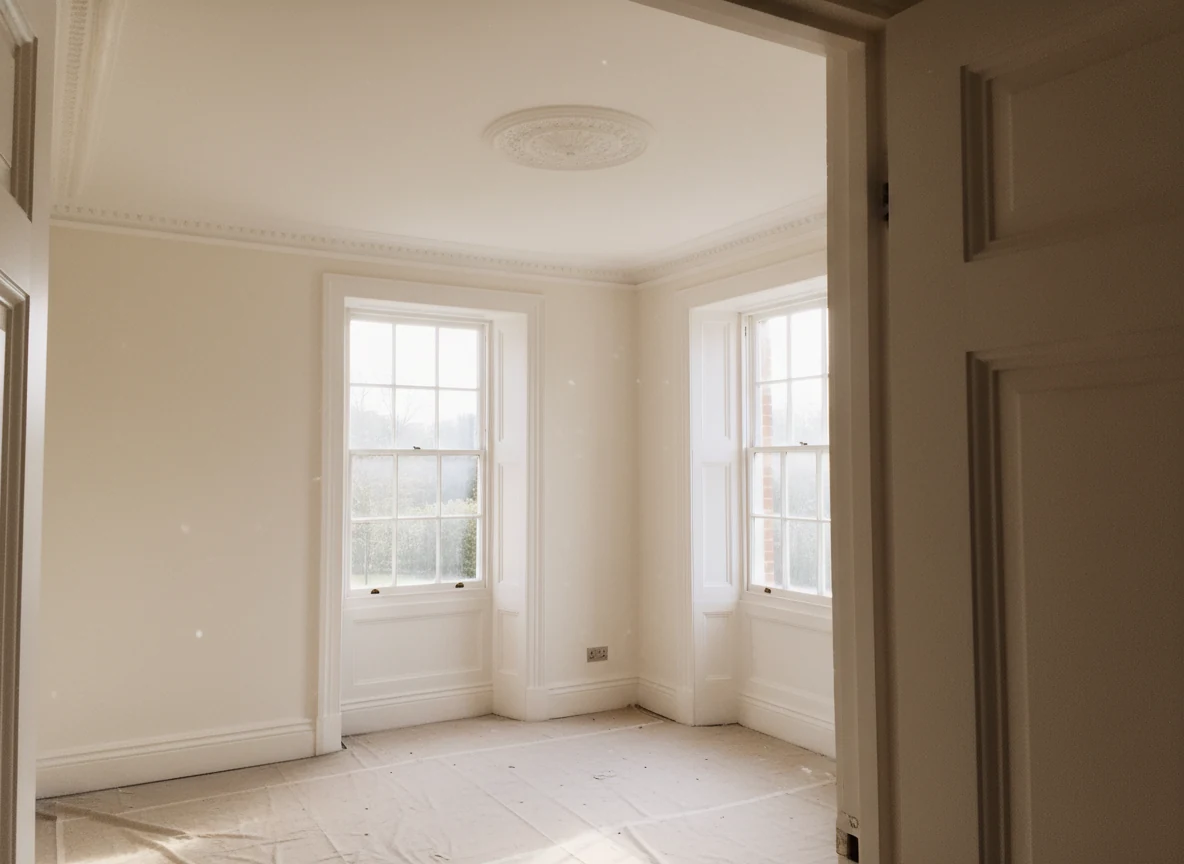
Marlow Decorators connects Marlow homeowners with a trusted local decorator for period property painting.
- Lime plaster walls and lime-rendered exteriors with breathable coating systems
- Sash windows: full preparation cycle including bead channels and box access
- Heritage and specialist finishes: Little Greene, Edward Bulmer, Farrow & Ball, traditional eggshell
- Conservation-area and listed-building preparation with appropriate materials and finishes
Cookham’s Georgian villas and period cottages. and listed stock in Medmenham. carry original lime plaster walls and lime render. Standard PVA-based primers bond to the surface layer rather than the substrate. As lime breathes seasonally, the bonded layer detaches. Lime-compatible primers and breathable topcoats are a technical requirement, not a preference.
Call for a free quote.
How Marlow Decorators Works
Marlow Decorators connects Marlow homeowners with a trusted local decorator. Tell us about the job and we’ll match you with the right decorator for your area — one we know and rate.
From the first site visit to the written quote, the work, and the guarantee that backs it, everything is handled directly between you and your decorator. We make the introduction and stay on hand; they do the work and stand behind it.
Why Choose Marlow Decorators
Lime Substrate Specialists
Lime plaster and lime render are breathable materials. Coating with impermeable products causes blistering and delamination. Your decorator specifies lime-compatible primers and breathable topcoats on every conservation-area project.
Conservation-Area Experience
Properties on West Street and Spittal Street, Georgian villas in Cookham, and listed stock in Bisham and Hambleden carry architectural scrutiny. Your decorator works to conservation standards throughout.
Heritage Finish Knowledge
Farrow & Ball, Little Greene, and mineral paint systems each have distinct coverage characteristics on period substrates. Your decorator recommends ranges based on substrate, not by habit.
Fully Insured
Confirm insurance cover directly with your decorator before work starts, including where scaffolded access or heritage constraints are involved.
Period Property Painting Services
Marlow Decorators covers lime plaster interior preparation, breathable masonry on lime render, full sash window cycles, lime-mortar pointing assessment, heritage finishes, and conservation-area considerations.
Lime Plaster Interior Preparation
Lime plaster is porous and hygroscopic. A breathable primer designed for lime substrates stabilises the surface without sealing it. The wall continues to cycle moisture naturally after decoration, which is essential in Thames-side and conservation-area properties.
Loose material is brushed back to sound plaster. Cracks are filled with a flexible lime-based filler, not gypsum. For broader detail see our interior painting page.
Breathable Masonry Coating on Lime Render
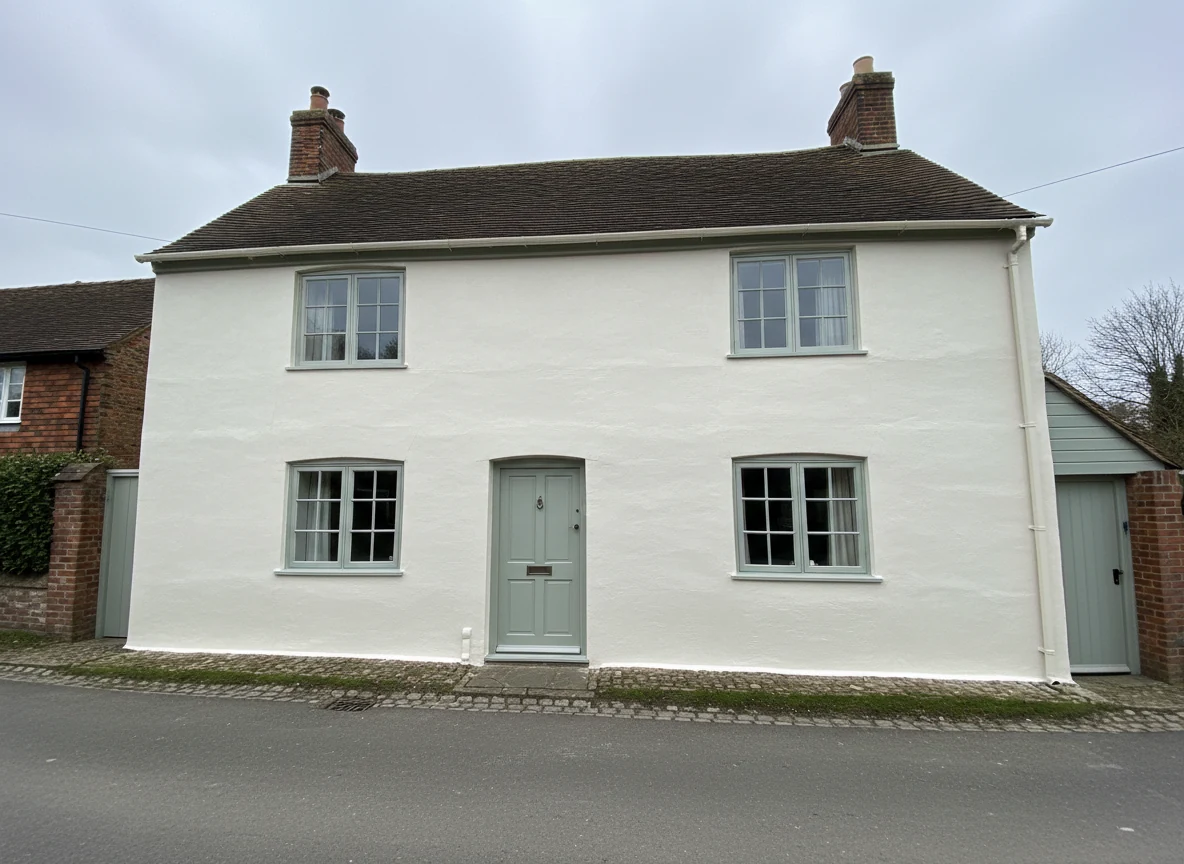
Lime render is standard on Georgian and early Victorian elevations throughout the Marlow conservation area and in Cookham’s older stock. Standard acrylic masonry paint forms a surface film that delaminates within two to three seasons.
Silicate-based and mineral masonry coatings are vapour-permeable and bond chemically to the lime substrate. They last eight to twelve years on Thames-bank elevations. For masonry-only programmes, see our masonry painting page.
Sash Window Full Preparation Cycle
Sash windows on conservation-area townhouses accumulate paint in the bead channels, causing the sashes to bind. Correct preparation requires access to the sash box and working paint back from every contact surface.
Lower sash is lifted via the staff bead; upper sash via the parting bead. Rot at sash boxes, sills, or glazing bars is patched with two-part epoxy or spliced timber. Bare timber receives a specialist exterior primer before two finish coats.
Lime-Mortar Pointing Under Modern Coatings
Period properties in Bisham, Hambleden, and along the Thames corridor often have historic brickwork with lime-mortar pointing. Where cement-based pointing has been applied over lime mortar, the harder cement prevents moisture from escaping, pushing it into the softer brick face and causing spalling.
Before painting any elevation with historic masonry, the pointing is inspected. Listed buildings in Medmenham require lime-mortar repointing as a condition of consent.
Heritage and Specialist Finishes
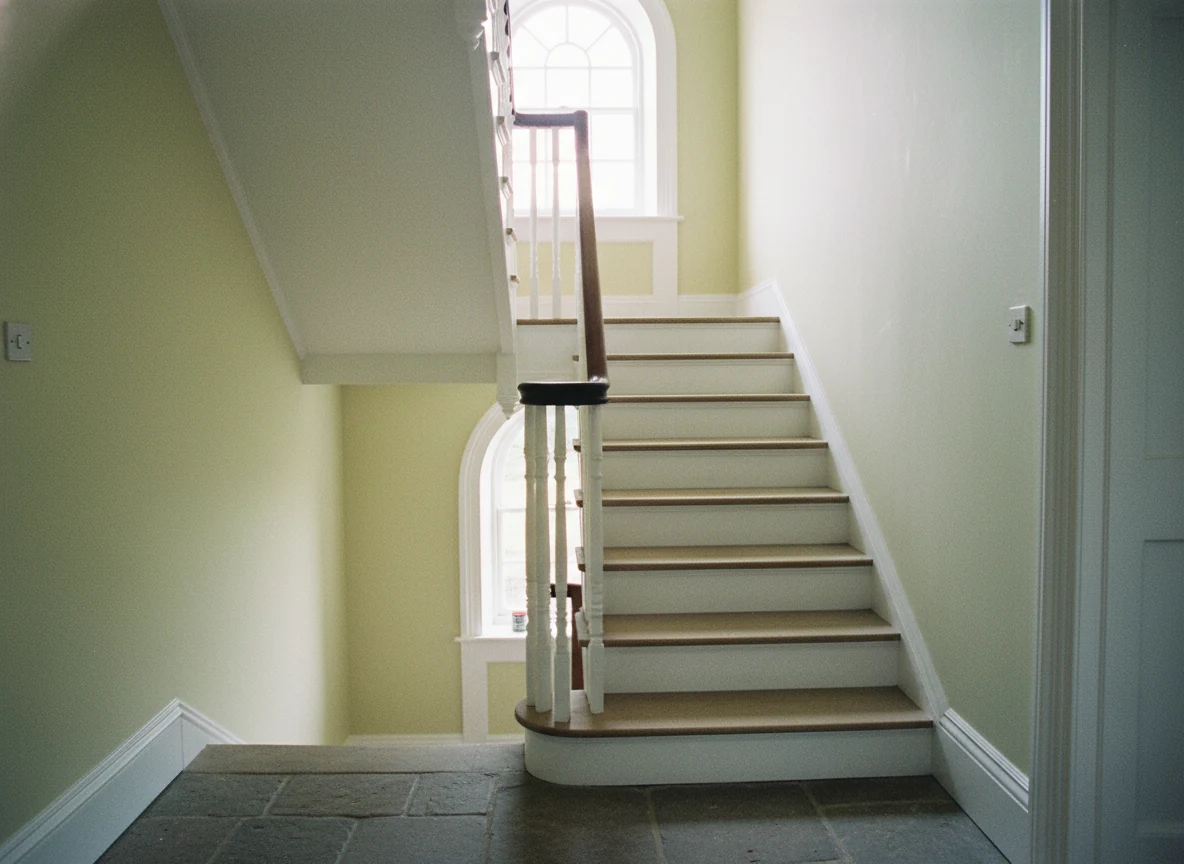
Conservation-area and listed properties often call for heritage paint ranges. Little Greene Intelligent Matt and Edward Bulmer Natural Paint are breathable emulsions suited to lime plaster. Farrow & Ball Estate Emulsion is vapour-permeable where clients prefer this range. Traditional oil-based eggshell on timber joinery requires longer drying windows than water-based satin but gives a richer finish.
Conservation-Area and Listed-Building Considerations
Properties within the Marlow conservation area and listed buildings across the catchment carry restrictions on finishes, colours, and materials. Listed-building consent may be required for external repainting where the colour changes or modern coatings are replaced. Your decorator advises on applicable constraints at the site visit and recommends speaking with the conservation officer before finalising choices.
Get a free period property painting quote in Marlow
Here’s How It Works
1. Site visit and heritage assessment
Your decorator visits and assesses every surface. Your decorator notes render type, plasters substrate, timber condition, any previous inappropriate repairs, and architectural period. Listed status and conservation-area position are confirmed. Colour and product consultation is included.
2. Substrate identification and specification
Lime plaster, lime render, and original timber joinery each require specific preparation and product choices. Your decorator identifies the substrate before selecting primers and topcoats.
3. Preparation and repair
Lime plaster is stabilised. Lime render is repaired with lime-mortar mixes. Sash windows are stripped and assessed for rot. Any structural repair is completed before painting begins.
4. Primer and topcoat application
Breathable primers go on lime substrates. Specialist exterior timber primers go on bare joinery. Topcoats are selected for vapour permeability and finish quality. Each coat is allowed adequate drying time.
5. Final inspection and handover
All surfaces in good light are inspected. Sash windows are checked for smooth operation. Coverage gaps and missed detail are addressed before the final walkthrough.
Period Property Painting Costs in Marlow
The figures below are starting ranges. Call for a precise quote.
Period-property painting scope depends on preparation time, product specification, lime plaster, and the detail of the rooms. Your decorator provides a written quote after reviewing the property.
Substrate complexity
Lime plaster and lime render require breathable systems and more preparation time than modern gypsum. Sash windows with accumulated paint need full stripping and bead-channel access. Largest cost component on period properties.
Heritage finish specification
Farrow & Ball, Little Greene, and mineral paint systems cost more per litre than standard trade ranges. The difference in durability and aesthetic quality on period substrates justifies the price.
Architectural detail
Original cornicing, ceiling roses, picture rails, panelled doors, and turned staircase spindles all require hand-finishing. More period detail per room means more time per room.
Trade insight
Cookham’s Georgian villas and conservation-area townhouses carry lime substrates, sash windows, and extensive original joinery throughout. Standard post-war timelines do not apply. Budget higher per room and plan for a longer programme.
Call for a no-obligation site visit. For a combined interior and exterior programme, see our house painting page.
Period Property Painting FAQs
Areas Served in Marlow
Marlow Decorators serves Marlow and the surrounding SL7 villages for period property painting.
Marlow Decorators covers Marlow, Marlow Bottom, Little Marlow, Cookham, Bisham, Hurley, Medmenham, Hambleden, Frieth, Skirmett, Fingest, and Danesfield. Return to the homepage to explore all services.